Results
Bench results · ECT2 / Onterris
Independent laboratory testing of CAST pretreatment ahead of ion exchange for PFAS. Bench-scale data — site performance is confirmed in a paid on-site pilot.
ECT2 (now Onterris) · RSSCT · May 2025
CAST pretreatment extended ion-exchange bed life
Rapid small-scale column testing (RSSCT) by ECT2 (now Onterris) comparing Dow PSR2+ ion exchange with and without Flotration CAST pretreatment. Treatment target: USEPA MCLs (e.g. 4 ng/L PFOA / PFOS). Design basis: 20 GPM.
PFOS to 4 ng/L
With CAST
~13,767 bed volumes
~60 days at 20 GPM
Without CAST
<1,619 bed volumes
~7 days at 20 GPM
PFOA to 4 ng/L
With CAST
~13,276 bed volumes
Delayed breakthrough
Without CAST
~5,487 bed volumes
Earlier breakthrough
Column pressure
With CAST
Slow build
Continuous operation
Without CAST
Pressure spikes
Daytime-only monitoring
Media OpEx example
With CAST
~$13,000 / year
At governing capacity
Without CAST
~$18,700 / year
More frequent changeouts
Bench-scale RSSCT results. Bed volumes and day estimates at 20 GPM are illustrative of the test design basis. Full-scale performance is site-specific and confirmed in pilot. OpEx figures are media-replacement examples from the executive summary and exclude disposal, labor, and installation.
Source PDFs (one click): ECT2 executive summary · Technical white paper
now OnterrisIndependent lab test
ECT2 PFAS bench test
Flotration contracted ECT2 (now Onterris) to run RSSCT on client-representative test water with and without CAST pretreatment ahead of Dow PSR2+ resin. CAST is not described in the lab report (proprietary); the comparison isolates the pretreatment effect on PFAS breakthrough and column pressure.
- PFOS: ~13,767 BV to 4 ng/L with CAST vs under 1,619 BV without — about 60 days vs 7 days at 20 GPM.
- Pressure: CAST influent built pressure slowly and ran continuously; without CAST, spikes required close daytime monitoring.
- Lab: ECT2 (now Onterris) · report date May 15, 2025 · design basis 20 GPM.
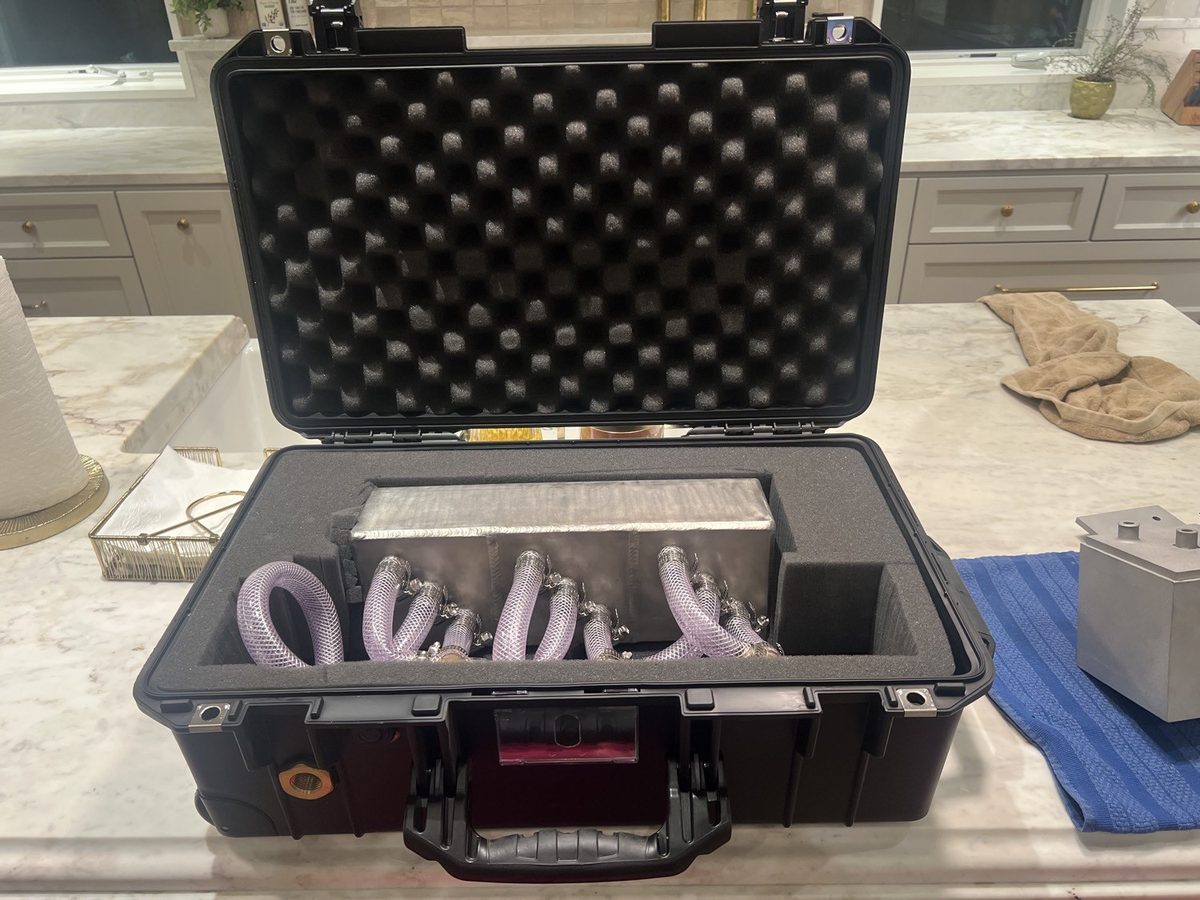
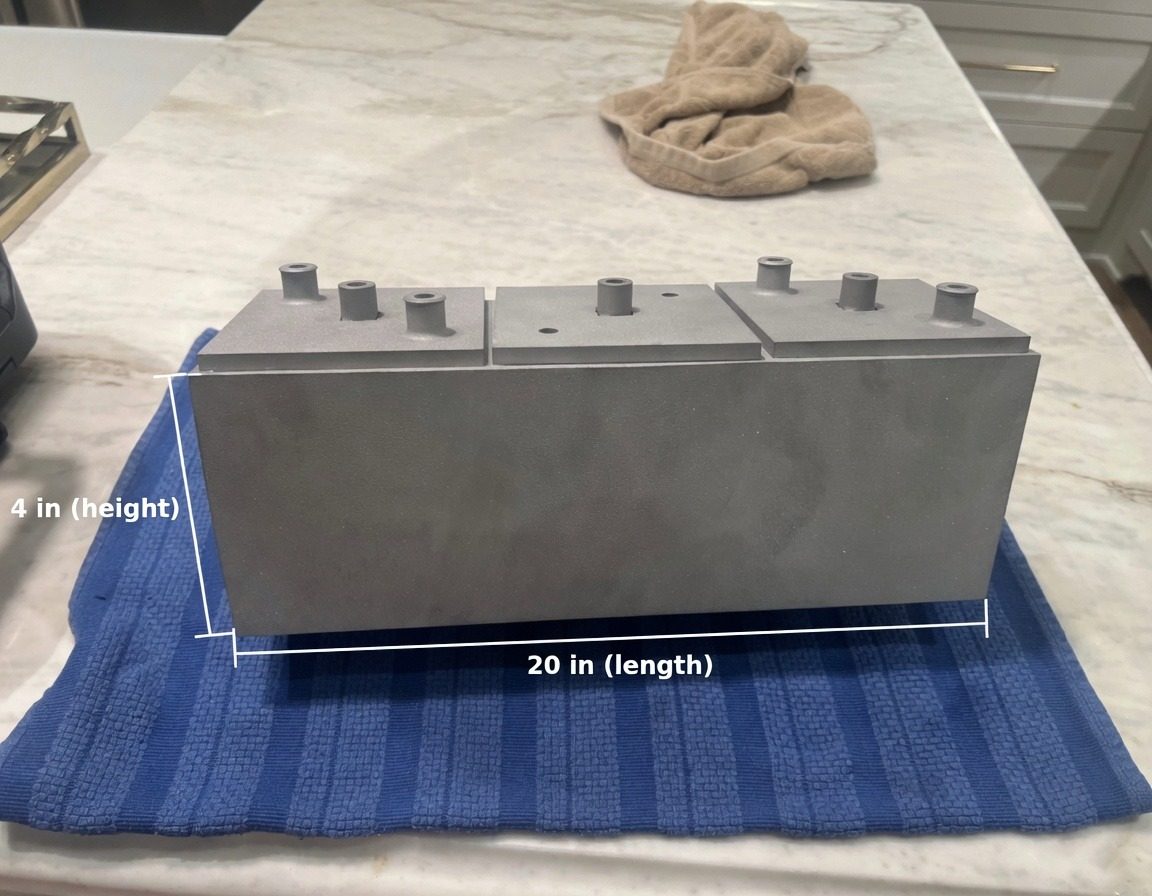
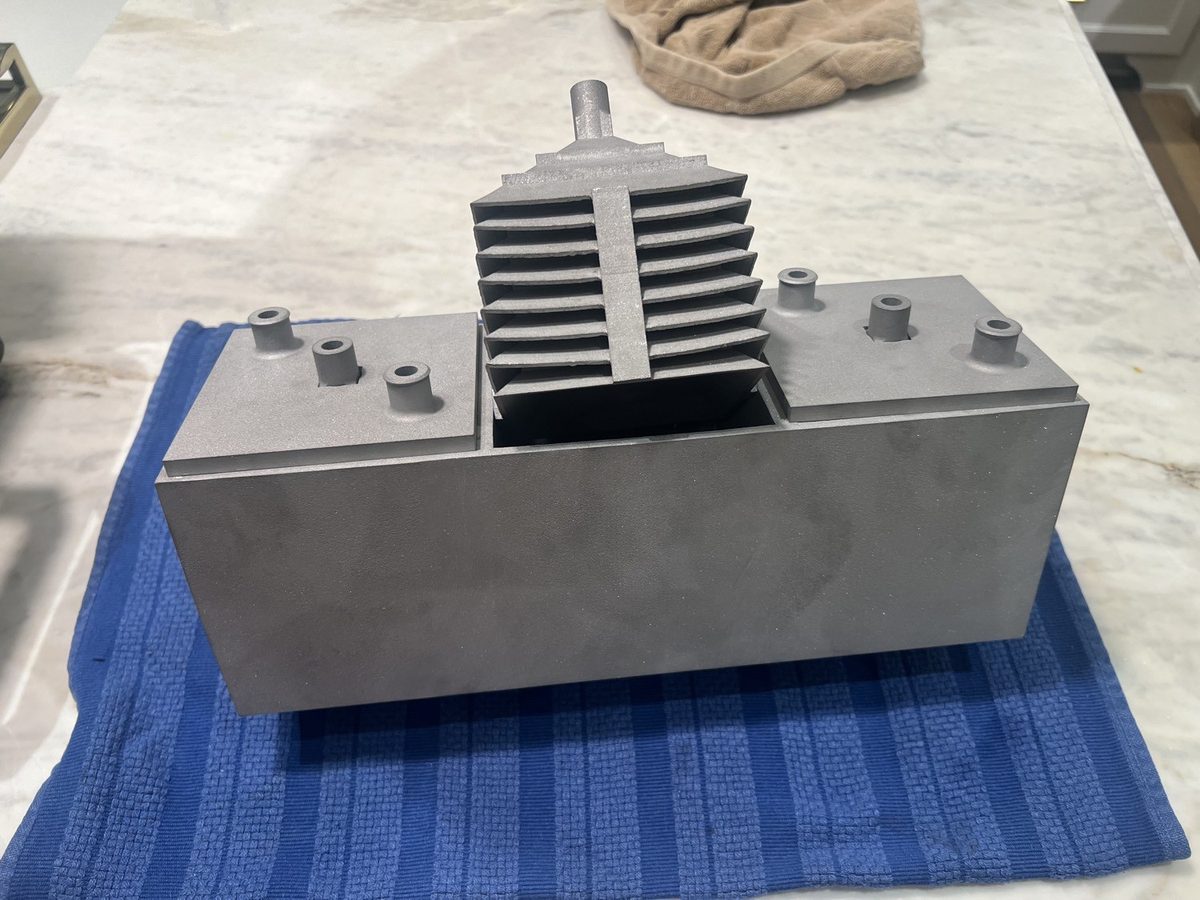
Both photos are 3D-printed models used for form-factor and concept illustration only. They are not operating hardware.
Bench documents
Open each summary on the site (Back and Home stay available). PDF download opens in a new tab so your place here is not replaced — especially on phone and tablet.
Executive summary — PFAS bench test
Financial and operational highlights · May 2025 · ECT2 (Onterris)
Technical white paper — CAST treatment technology
CAST pretreatment for PFAS programs · June 2025
Next: prove it on your water
Bench data informs design. A paid on-site pilot with modular CAST units confirms performance on your influent — plant stays, tee-in only. Field pilot results will be published here as they clear for public use.